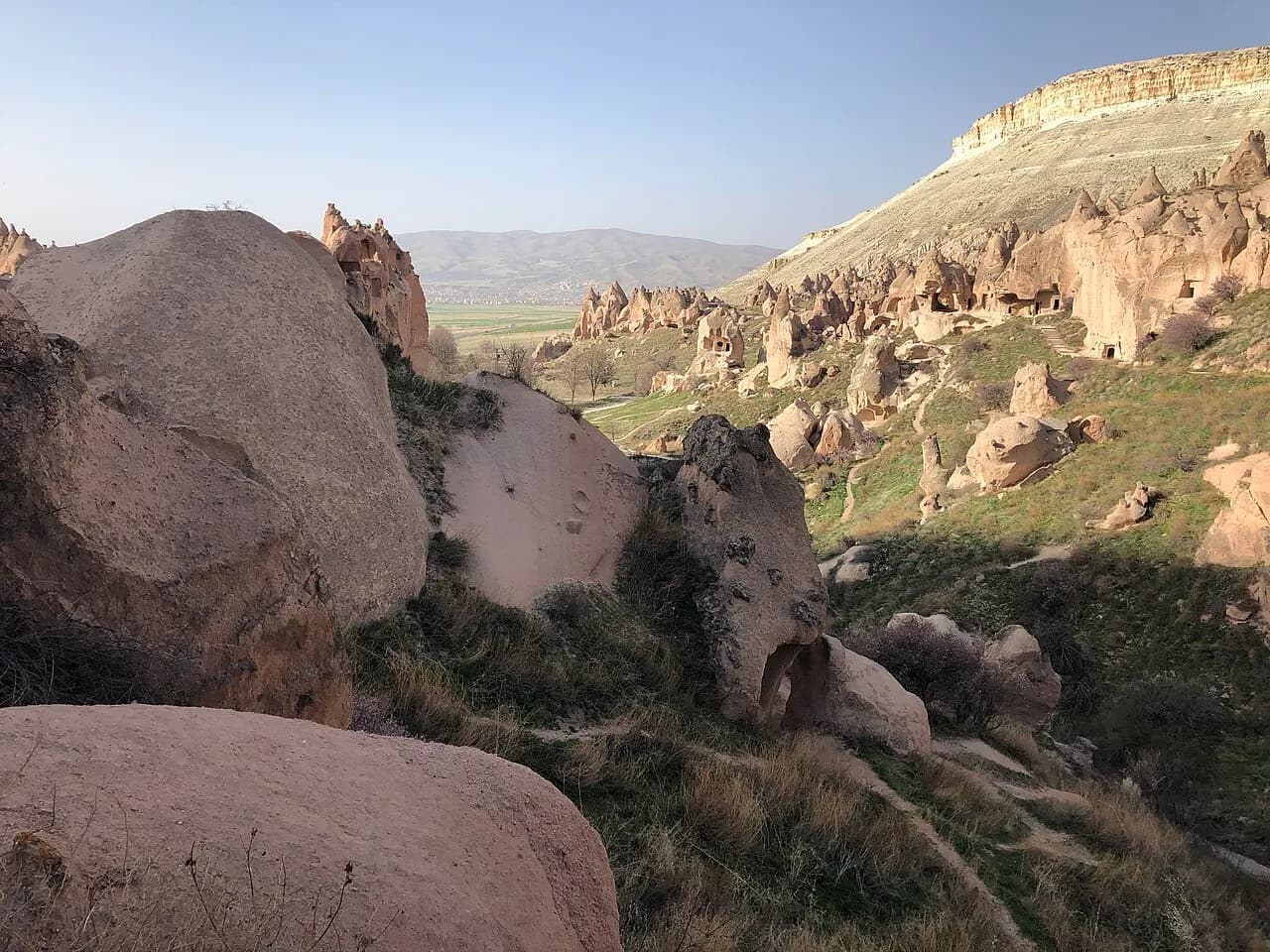
Zelve Open Air Museum across three valleys
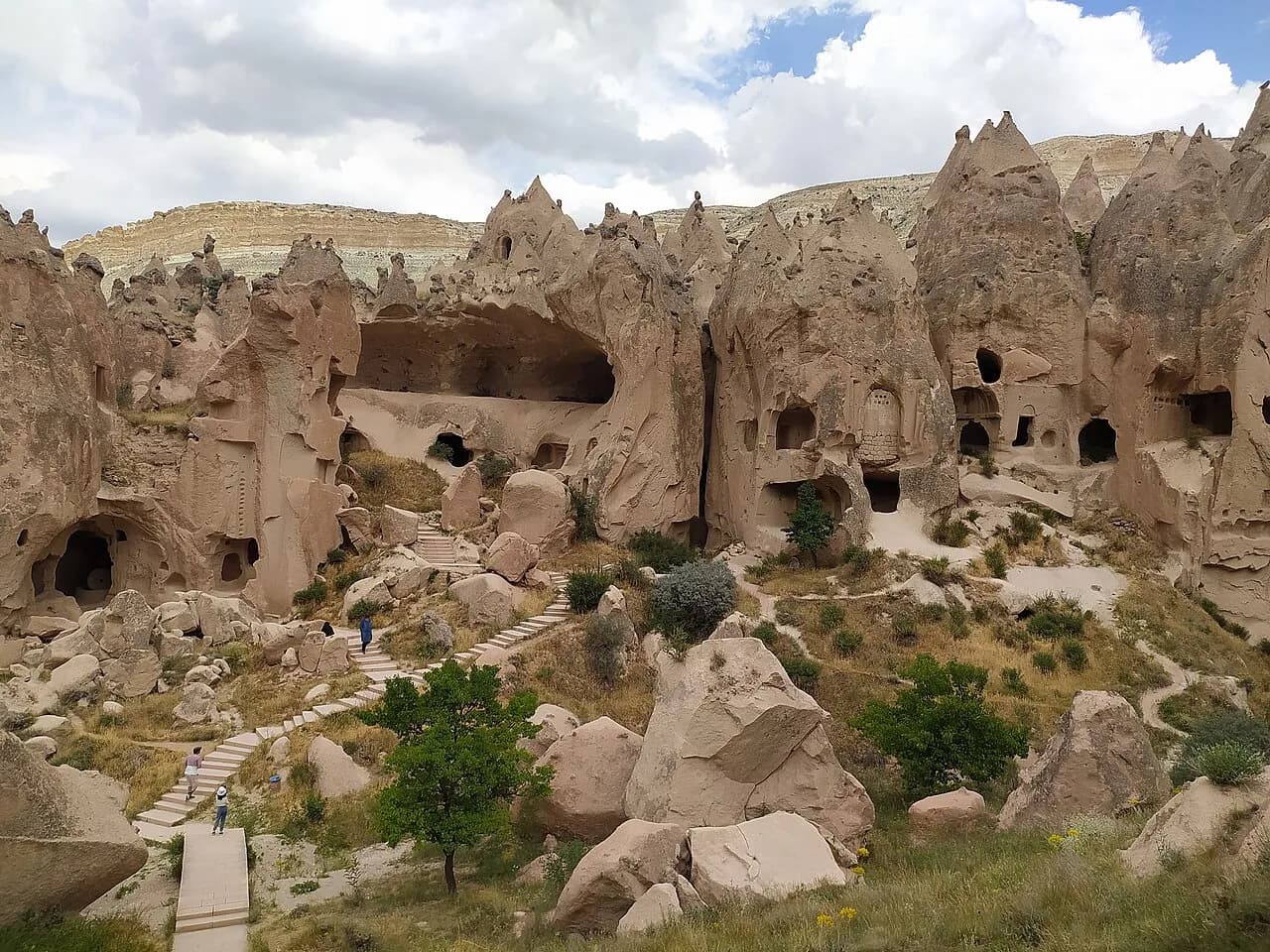
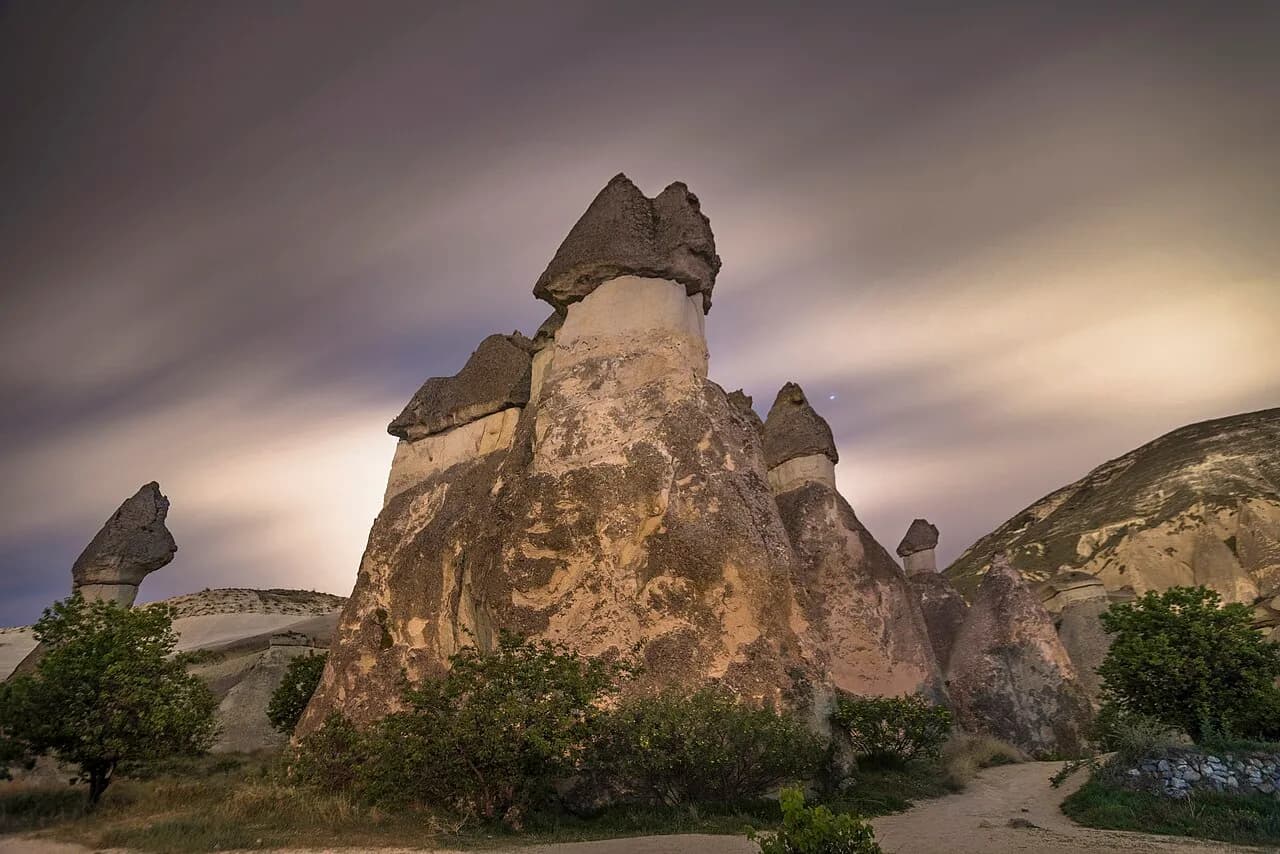
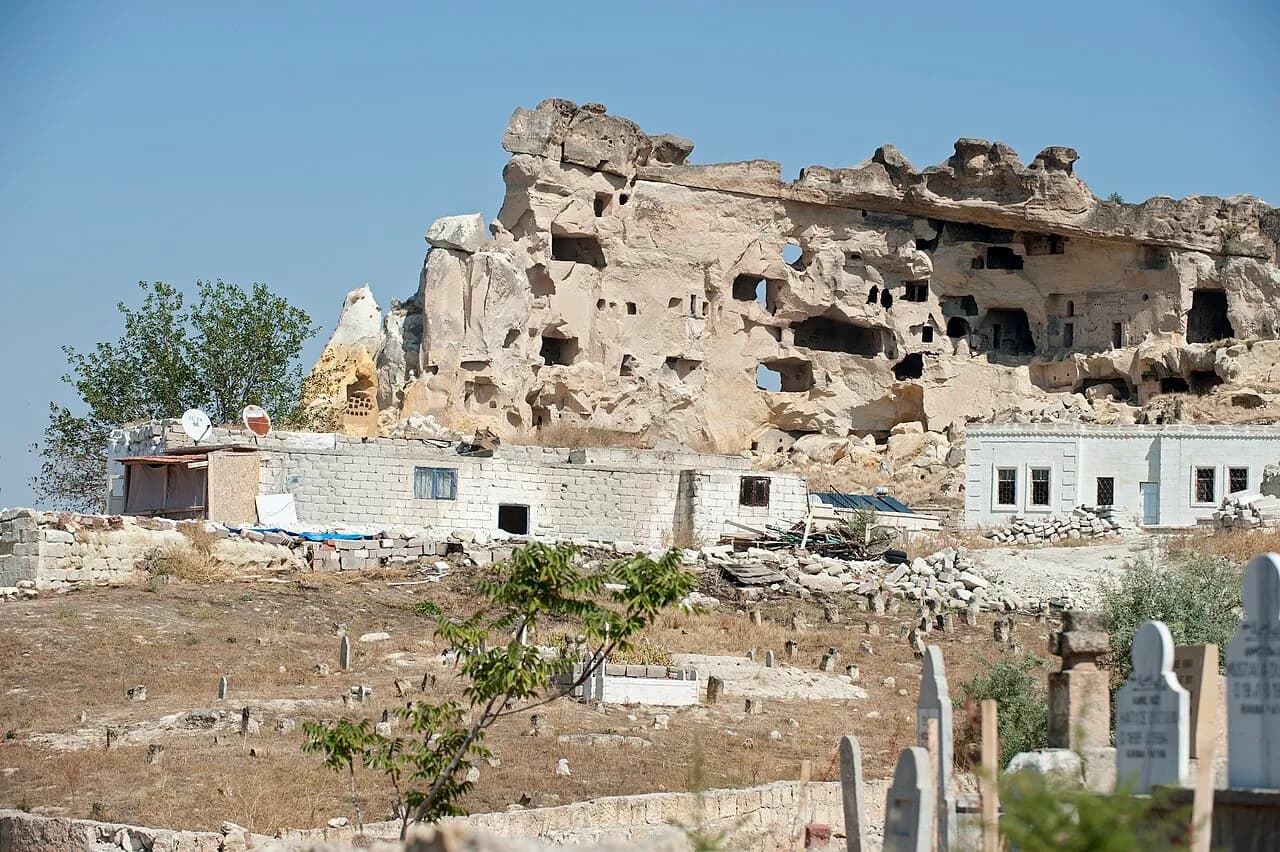
Zelve Open Air Museum, known in Turkish as Zelve Açık Hava Müzesi and Zelve Ören Yeri, lies near Avanos in Nevşehir. The archaeological site spreads across three valleys on the northern slopes of Aktepe, combining dense fairy chimney scenery with churches, cave dwellings and spaces carved for everyday life.
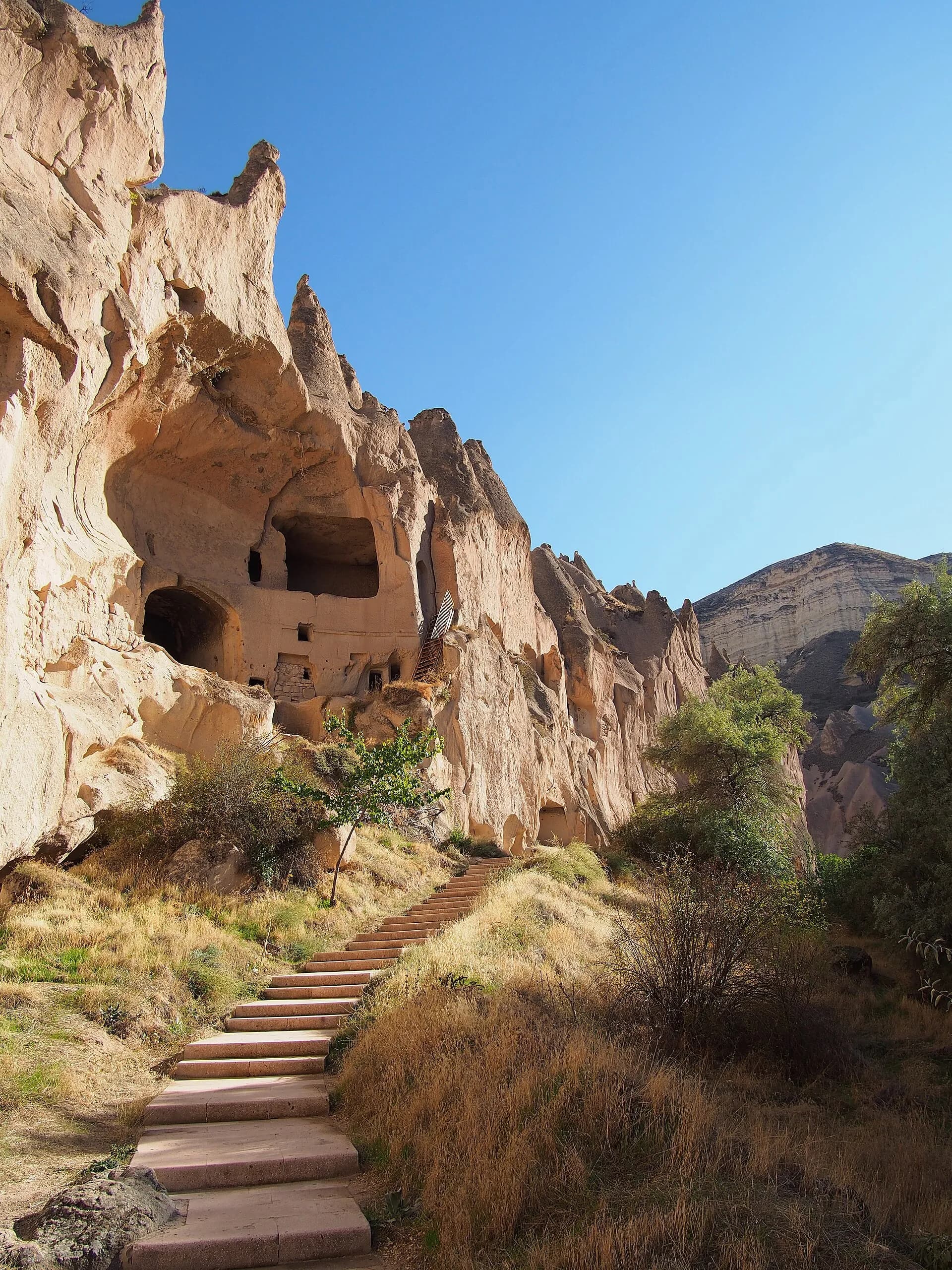
Zelve was an important Christian settlement and religious centre between the ninth and thirteenth centuries, but its story did not end there. The valleys continued as a lived settlement for centuries and remained inhabited until 1952. Today the site preserves traces of both Christian and later village life, including rock cut churches, a mosque, pigeon houses, tunnels, a mill and domestic spaces.
A settlement carved into volcanic rock
Zelve's architecture is inseparable from its geology. Cappadocia Geopark identifies the Zelve Ignimbrite as a volcanic formation around 9.2 million years old. Erosion of these volcanic layers helped create the cliffs, cones and fairy chimneys into which generations of residents carved rooms and religious spaces.
Churches across the valleys
Official museum information identifies Balıklı, Üzümlü and Geyikli among Zelve's most important churches. Other carved religious spaces and chapels remain part of the wider archaeological landscape, showing how closely worship and settlement life developed together.
Village life after the Byzantine period
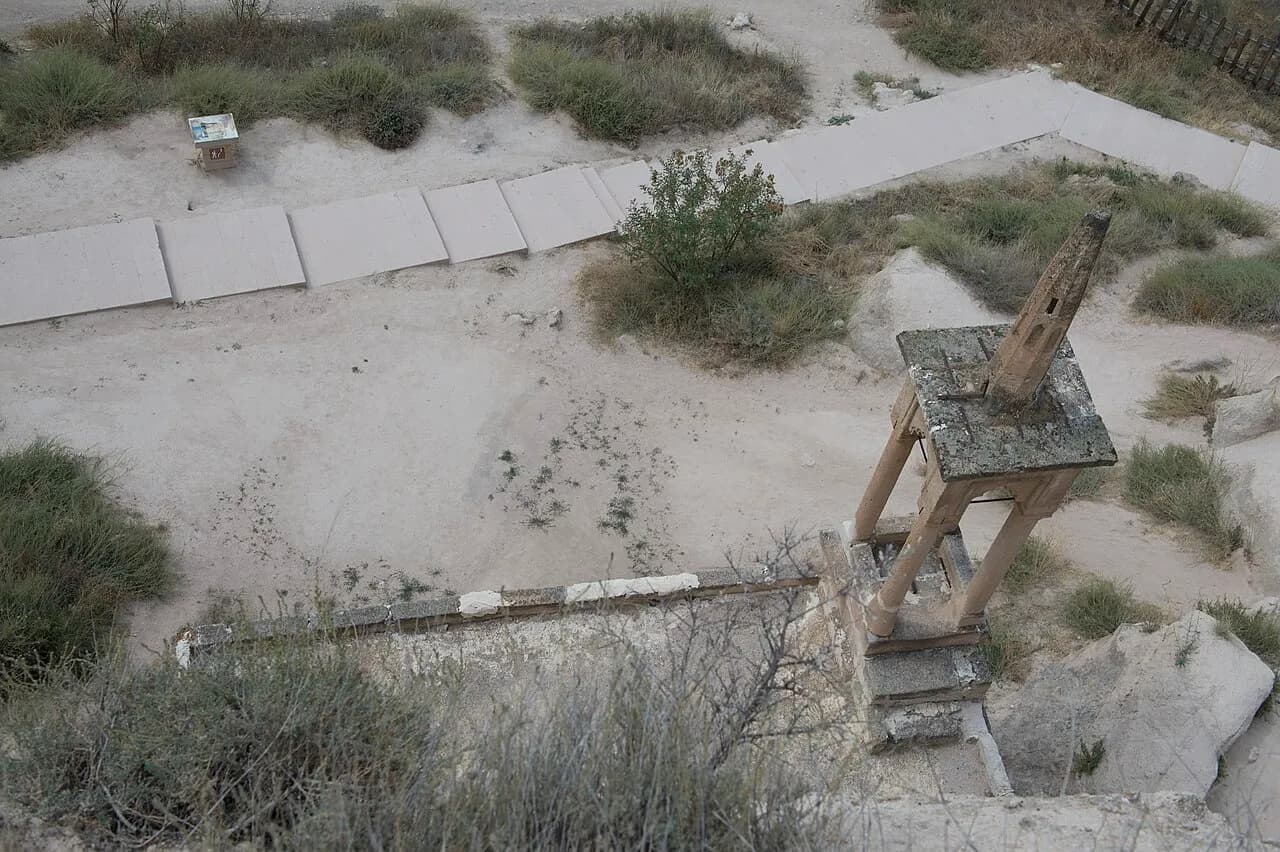
Zelve later developed as a Turkish village. A mosque, living spaces and practical structures were added to the existing rock cut settlement, creating a site where several periods of Cappadocian life can be read within the same valleys.
What to combine with Zelve
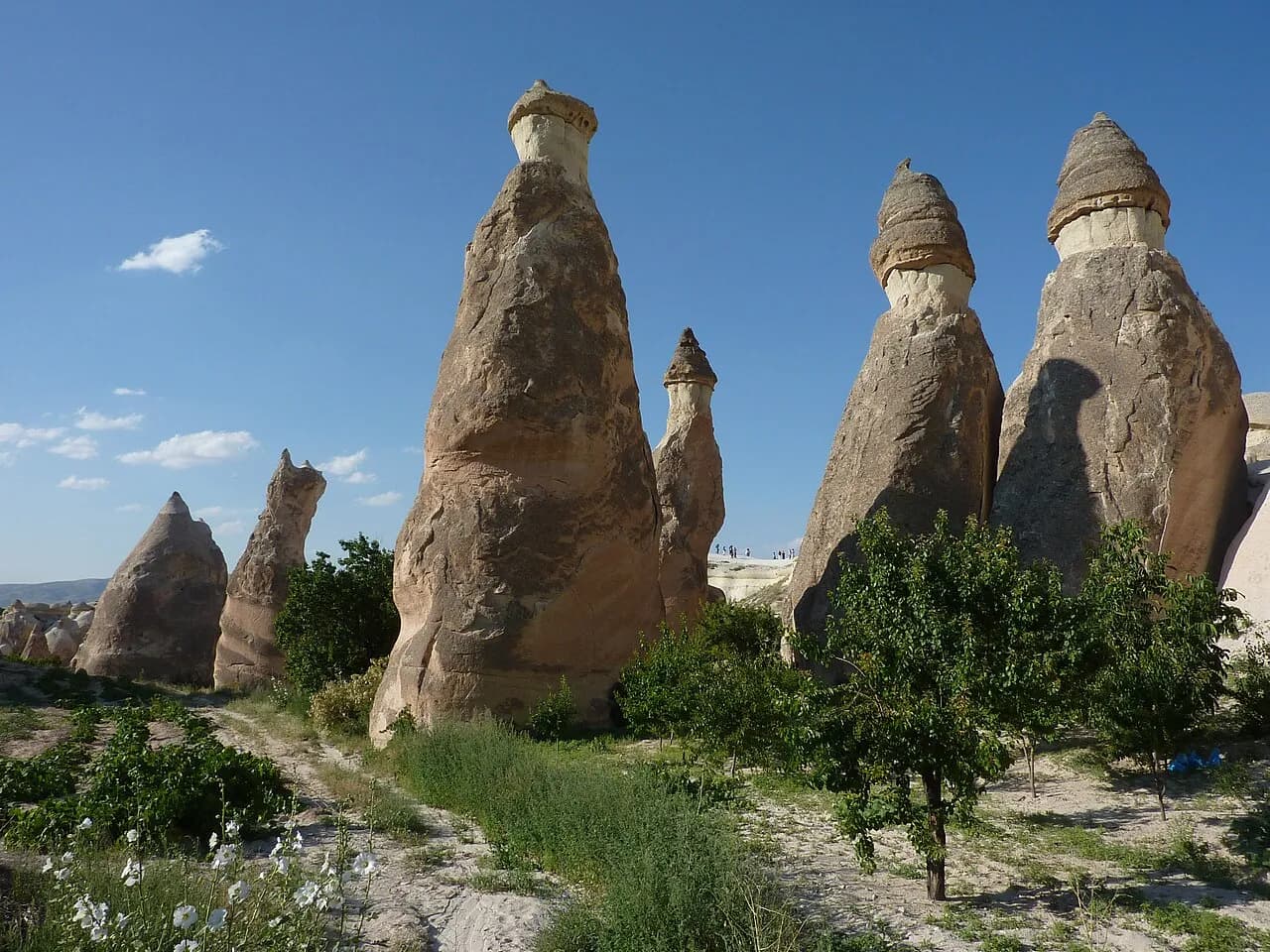
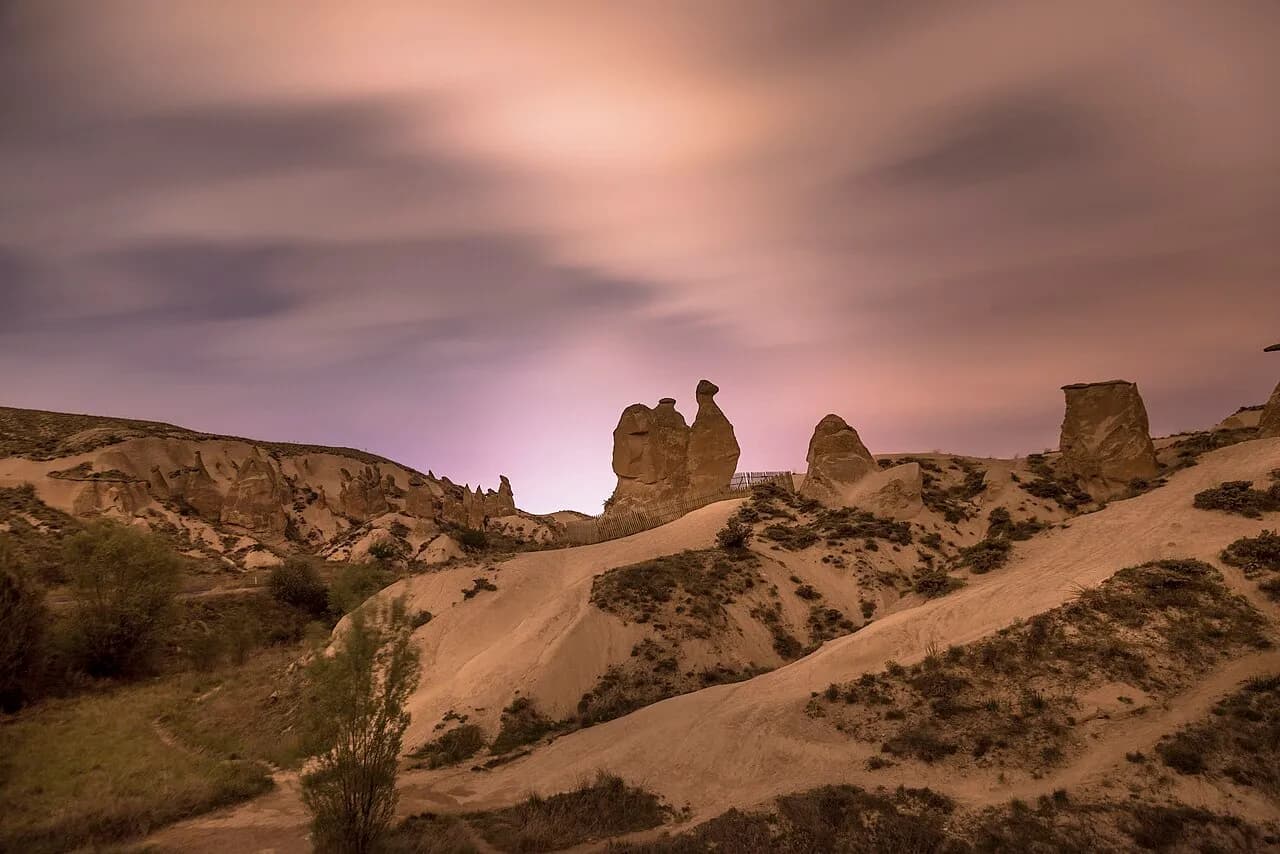
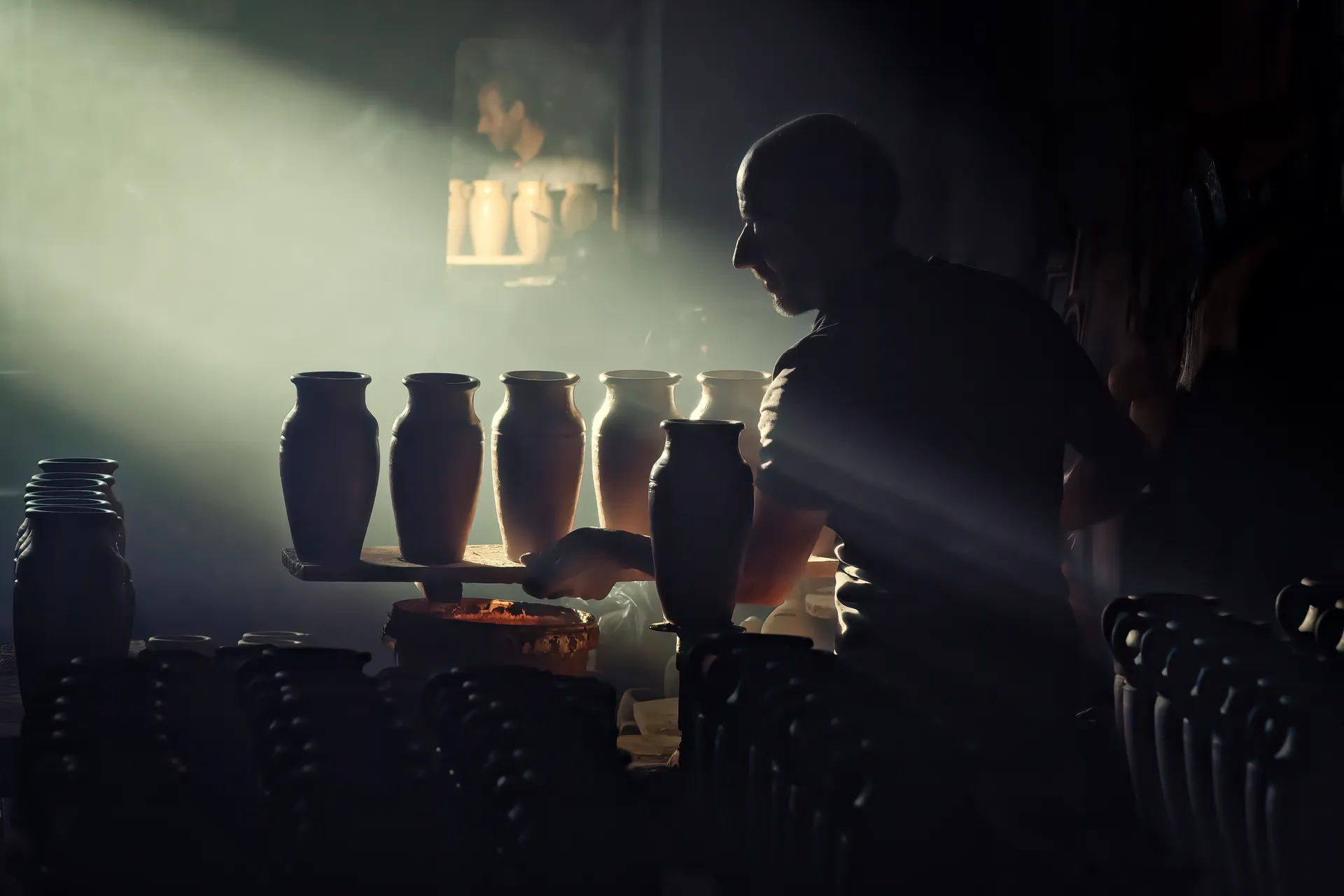
Paşabağ is the most natural pairing because it lies about one kilometre from Zelve and continues the fairy chimney landscape. You can also continue towards Çavuşin, explore the unusual formations of Devrent Valley, or visit the pottery tradition of Avanos Pottery Workshops.